
How Do You Create Your Own AI Characters?
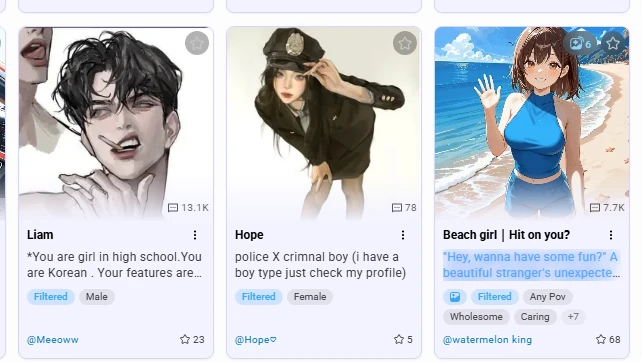
Creating your own AI character requires defining its identity, personality, appearance, and conversation style through structured instructions. Modern AI character platforms allow users to customize names, backgrounds, emotional patterns, and memory settings without coding. A well-designed character usually combines detailed prompts, consistent behavior rules, and visual design. By 2025, AI character creation tools had become accessible to millions of users, with platforms supporting personalized conversations, voice interaction, and long-term memory features.
An AI character starts with a clear identity description. Instead of giving a model a simple role such as “a friendly person,” creators usually define age, occupation, interests, communication habits, personal history, and emotional responses. Language models generate replies based on available context, so richer character information generally produces more consistent conversations.
A basic character profile often includes:
| Category | Example |
|---|---|
| Name | Elena |
| Age | 26 |
| Profession | Travel writer |
| Personality | Curious, patient, humorous |
| Speaking style | Casual and warm |
| Interests | Photography, hiking, literature |
A 2023 study on large language models showed that detailed instructions improved task performance compared with short prompts in many conversational situations. The same principle applies to AI characters: more specific descriptions help the model maintain a recognizable personality across different conversations.
“A character should not only know who it is, but also understand how it responds, what it prefers, and how it communicates.”
After identity creation, personality design becomes the next part. Human personalities contain multiple traits, so AI characters usually require several layers of settings. A character described only as “funny” may produce random jokes, while a character with defined humor style, emotional reactions, and social preferences can maintain a stable tone.
Many creators organize personality settings into five areas:
| Personality Area | Example Setting |
|---|---|
| Emotional response | Calm during problems |
| Conversation style | Short sentences and friendly questions |
| Knowledge area | Fitness, gaming, history |
| Social behavior | Supportive but honest |
| Personal preferences | Likes science fiction movies |
Research published between 2022 and 2024 showed that conversational consistency remains one of the main factors affecting user satisfaction with AI companions. In surveys involving hundreds of users, people often preferred characters with stable personalities rather than systems that only provided accurate information.
The character’s background story adds another layer of realism. A backstory gives the AI more context when generating replies because it can connect current conversations with fictional experiences. Writers often use the same methods used in novels or video games by creating childhood memories, career experiences, personal goals, and relationships.
For example:
“Maya grew up near the coast, studied marine biology, enjoys exploring new places, and believes every conversation should teach something new.”
This information influences future responses. When users discuss travel, science, or personal interests, the character can answer from its designed perspective instead of producing generic responses.
Visual appearance is also important for AI characters used in games, social applications, and virtual communities. Image-generation systems can create character portraits by combining descriptions of facial features, clothing, environment, and artistic style.
A visual prompt may include:
-
Character age and appearance
-
Clothing preferences
-
Background environment
-
Lighting style
-
Artistic direction
-
Facial expression
The AI image market expanded rapidly after 2022, when tools based on diffusion models became widely available. By 2024, millions of users were creating AI images for avatars, storytelling projects, and digital characters. However, appearance alone does not create a strong connection. The visual design needs to match the character’s personality and communication style.
Conversation rules are another important part of character creation. Without behavioral instructions, AI models may change tone between conversations. Creators often define how the character reacts to emotions, questions, disagreements, and personal topics.
Examples of conversation rules:
| Situation | Character Response |
|---|---|
| User feels stressed | Offer support before advice |
| User asks questions | Explain clearly with examples |
| User disagrees | Respect different opinions |
| User shares stories | Ask follow-up questions |
These instructions help create predictable interactions. Many AI character platforms allow users to adjust these settings through personality fields, system prompts, or character cards.
Memory technology has changed how AI characters interact with users. Traditional chatbots usually forget previous conversations after a session ends. Modern AI character systems can store selected information, allowing characters to remember preferences, interests, and previous discussions.
Common memory categories include:
| Memory Type | Example |
|---|---|
| Personal preference | User enjoys fantasy novels |
| Communication preference | User prefers detailed explanations |
| Previous topics | Career discussions |
| Important dates | Special events |
Companies developing AI companion systems began adding memory functions between 2023 and 2025 because repeated conversations became one of the most requested features. Memory allows an AI character to feel more personalized over longer periods.
Some platforms focus specifically on romantic or adult-style AI conversations, where users create customized virtual personalities with specific interaction preferences. Services such as https://crushon.ai/ai-sex-chat allow users to design conversational characters with customized personalities, relationship styles, and dialogue preferences.
Testing is required after building an AI character. The first version often produces inconsistent answers because the model may interpret instructions differently in various situations. Creators usually test conversations involving different topics, emotional situations, and unexpected questions.
A practical testing process includes:
-
Writing the initial character description
-
Testing 50–100 conversations
-
Recording inconsistent replies
-
Adjusting personality instructions
-
Adding missing background details
-
Testing again
Character developers often review hundreds of dialogue examples before publishing a character. This process helps improve personality consistency and reduces responses that feel unrelated to the original design.
AI characters are now used in many areas. In entertainment, they appear as virtual personalities and interactive story characters. In education, they support language learning and role-play practice. In gaming, they provide conversations that change depending on player choices. In customer services, they help companies create specialized digital assistants.
The development of AI characters has accelerated since the release of advanced language models in 2022. Models with billions of parameters can understand longer instructions and maintain more detailed conversations than earlier chatbot systems. By 2025, multimodal AI systems also started combining text, images, and voice, allowing characters to communicate through multiple channels.
Creating an AI character is a combination of writing, design, and AI configuration. A successful character usually requires a detailed identity, consistent personality, suitable appearance, clear conversation rules, and useful memory settings. As AI technology continues improving, users will be able to create digital characters that communicate more naturally and adapt better to individual preferences.
Ready to source local — and be sourced?
Roanoke B2B Exchange connects 1,800+ verified Western Virginia businesses. One profile, one inbox, real introductions.