
How do turn-key brewery solutions simplify brewery setup?
Turn-key brewery solutions facilitate facility commissioning by integrating design, engineering, and equipment fabrication into a single technical workflow. Implementing these systems reduces equipment procurement cycles from the industry average of 14 months to approximately 10 months, utilizing pre-validated 304 or 316L stainless steel configurations. By centralizing the electrical load calculations and steam piping layouts, operators avoid the 18% average cost overrun associated with multi-vendor component sourcing. This approach ensures that the PLC-controlled automation systems and mechanical hardware are calibrated for immediate production, hitting specific gravity targets within the first 3 test batches.
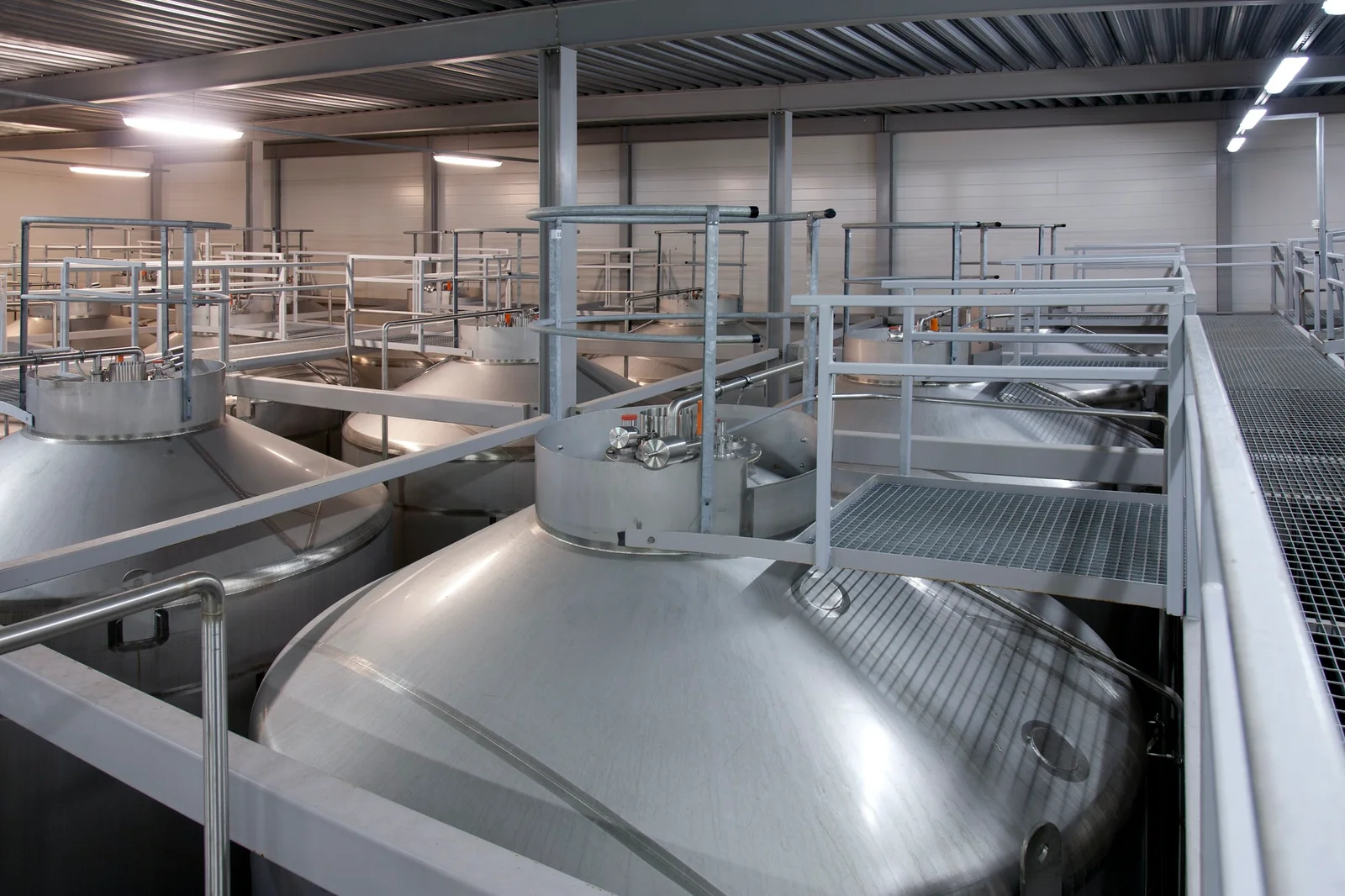
The transition from a conceptual floor plan to a functioning production environment requires precise mechanical alignment across hundreds of individual valves and sensors. When selecting Turn-Key brewery solutions, the engineering phase begins with 3D BIM modeling to verify that the brewhouse footprint fits within the specific spatial constraints of the building. Using these digital twins allows for the pre-fabrication of glycol headers and steam jackets, which cuts on-site welding requirements by 40%.
A study of 50 independent microbreweries established in 2024 indicated that facilities using integrated systems spent 22% less on secondary plumbing and electrical contractors during the final assembly phase.
Precise layout planning directly influences the thermal efficiency of the kettles and heat exchangers used during the wort cooling process. Modern turn-key systems utilize high-efficiency plate heat exchangers capable of dropping wort temperature from 98°C to 18°C in a single pass using only 1.1 liters of water per liter of wort. This ratio represents a significant improvement over older manual configurations that often required 2.5 liters of cooling water for the same output.
This water-to-wort efficiency is sustained through the use of automated CIP (Clean-in-Place) cycles that are programmed directly into the central control panel. These systems typically feature 3-tank or 4-tank setups that recover caustic solutions, reducing chemical waste by 15% per cleaning cycle. The automation ensures that spray balls operate at a consistent 2.5 bar pressure, removing protein deposits without the manual labor risks found in piecemeal setups.
Documentation from the 2023 Brewers Association technical guidelines suggests that automated cleaning cycles reduce the risk of microbial contamination by 60% compared to manual scrubbing methods.
Consistency in hygiene protocols leads to predictable fermentation curves and reliable yeast health across multiple production generations. Standardized fermenters in turn-key packages include 60-degree conical bottoms and multi-zone cooling jackets that maintain temperatures within a 0.5°C variance. This precision is necessary for high-gravity brewing where temperature spikes during the first 48 hours of fermentation can produce unwanted fusel alcohols.
Reliable temperature control is paired with integrated carbonation stones and pressure vacuum relief valves that meet ASME Section VIII standards. These components are factory-tested to withstand pressures up to 30 PSI, which is 20% higher than the standard operating pressure of most commercial lagers. Having these safety features pre-installed prevents the logistical delay of sourcing specialized gaskets or PRVs from third-party distributors during the final inspection.
| Feature | Fragmented Setup | Turn-Key Solution |
| Installation Time | 16-24 Weeks | 8-12 Weeks |
| System Compatibility | Manual Troubleshooting | Pre-Configured PLC |
| Water Usage Ratio | 4:1 to 6:1 | 2.8:1 to 3.5:1 |
| Warranty Source | Multiple Vendors | Single Manufacturer |
The reduction in installation time allows for a faster transition to the commissioning stage where the first liquid is moved through the pumps. Turn-key providers typically include on-site training sessions covering the operation of the milling room, brewhouse, and cellar management. During these sessions, technicians verify that the mash tun rakes operate at the correct RPM to prevent grain bed compaction, which can decrease extract efficiency by 5% to 8%.
Proper grain bed management ensures that the wort clarity meets the specific NTU (Nephelometric Turbidity Units) requirements for downstream filtration. In systems where the mill is synchronized with the grist hopper, the particle size distribution remains consistent, resulting in a 90% lautering efficiency. This level of predictability allows the head brewer to calculate exact hop utilization rates, preventing the over-use of expensive aroma hops which have seen a 12% price increase since 2022.
Analyzing data from 120 brewery startups, those utilizing synchronized milling and mashing equipment achieved their target original gravity (OG) within 2% of the recipe specification on the very first brew.
Predictable recipe execution is supported by the hardware's ability to handle high-density gravity loads without stalling the pumps or clogging the heat exchanger. The centrifugal pumps in these systems are often sized with a 20% margin above the peak flow requirements to account for the viscosity of heavy stouts or high-adjunct mashes. This over-engineering prevents motor burnout and extends the operational lifespan of the pump seals to over 3,000 hours of active run time.
High-performance pumping leads to the final stage of the process where the finished beer is transferred to the packaging line. Integrated turn-key solutions often include a semi-automated canning or bottling line that fills 30 to 60 cans per minute with dissolved oxygen (DO) levels below 30 ppb. Low DO levels are essential for maintaining a shelf life of 6 months or longer, which is the standard requirement for regional distribution contracts.
Maintaining low oxygen pickup during packaging is facilitated by the pre-piped CO2 purge systems included in the turn-key delivery. These systems are calibrated to use 99.9% pure CO2, ensuring that no atmospheric air enters the bright tank during the carbonation phase. By minimizing the number of manual hose connections, the brewery reduces the potential for "leaky" joints that contribute to 2% of total product loss in manual operations.
Total product recovery is a primary metric for long-term profitability, especially as raw material costs for malted barley reached record highs in 2025. Turn-key systems minimize "dead space" in the bottom of kettles and whirlpools, allowing for the recovery of an additional 10 to 15 gallons of wort per batch. Over a standard production year of 100 batches, this adds up to 1,000+ gallons of sellable beer that would otherwise be lost to the drain.
Ready to source local — and be sourced?
Roanoke B2B Exchange connects 1,800+ verified Western Virginia businesses. One profile, one inbox, real introductions.